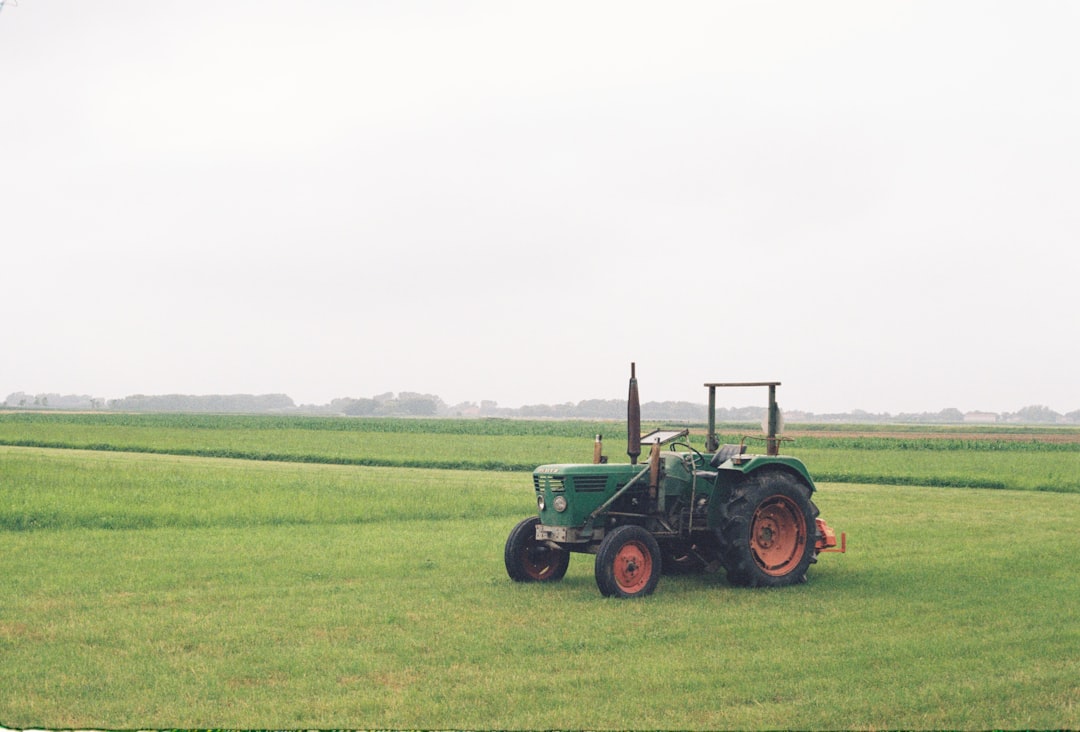
For Australia buyers, agricultural machinery finance is how most Australian farms fund tractors, harvesters and implements while keeping working capital free for the season ahead.
Agricultural Machinery Finance Explained
For a working farm a tractor is not just a machine, it is the backbone of planting, harvesting, tilling and spraying. The trouble is that a new or quality used tractor ties up a large amount of cash that the business usually needs for seed, fuel, wages and the next season. Spreading the cost over the useful life of the asset lets the equipment earn its keep while the repayments are made. According to The Loan Phone, comparison across more than 100 lenders gives farmers personalised options and often fast initial approvals.
Funding the purchase rather than buying outright also lets a farm upgrade ageing machinery, expand a fleet or invest in specialised gear without depleting working capital. That matters in a seasonal, weather-exposed industry where cash flow can swing sharply from month to month.
The finance structures, compared
There is no single right structure. The choice turns on whether you want to own the asset, how you treat it for tax, and how the repayments sit against your cash flow. The three structures used most often for farm machinery are set out below.
- Chattel mortgage: the business owns the tractor from day one and the lender holds a mortgage over it until the loan is repaid. GST-registered businesses can typically claim the GST input tax credit on the purchase price upfront, and the asset can be depreciated over its effective life, subject to ATO guidelines.
- Commercial hire purchase: the lender buys the tractor and hires it to the business over a set term, with ownership transferring on the final payment. GST is usually claimed over the life of the agreement.
- Finance lease: the lender owns the equipment and leases it to the business for an agreed period; at the end of the term the business can usually buy, extend or return it.
Each structure can include a balloon payment at the end of the term to lower the regular repayments. The right fit depends on your accountant's advice and the way your operation treats equipment on the balance sheet.
What you can fund and what lenders look for
Agricultural machinery finance covers the broad range of equipment a modern farm runs. Lenders regularly fund tractors and utility tractors, harvesting equipment, implements, and other farm machinery, both new and quality used. Funding is available from major banks, specialist equipment financiers and non-bank lenders, so appetite varies by asset type and farm profile.
When assessing an application, lenders weigh the trading history of the farm, the type and resale value of the machinery, and the proposed deposit. Newer operators can still secure finance, though they tend to sit at the higher end of the rate range. A broker who understands agricultural asset values and lender appetites can match the request to the lenders most likely to approve it. For buyers focused specifically on tractors, the detailed tractor finance in Australia guide walks through chattel mortgages, hire purchase and leasing for new and used tractors.
Rates, terms and approval
Indicative rates depend heavily on the farm profile. Established farms with two or more years of strong financials sit at the lower end, around 6.5 to 9 per cent per annum, while standard operations trading for one to two years tend to fall between 9 and 12 per cent, and newer or specialist operators can see 12 to 15 per cent and above. These figures are indicative only and current as of 2026; the actual rate depends on individual circumstances, lender assessment and market conditions.
Loan terms generally run from one to seven years, set against the expected working life of the machinery so the repayments roughly track its value over time. Larger new tractors and harvesters tend to carry the longer terms, while used utility machinery sits at the shorter end. Comparison platforms streamline the process by connecting farmers with many lenders at once, which often delivers fast initial approvals.
Tax and timing considerations
Tax treatment is a genuine driver of structure choice. With a chattel mortgage a GST-registered business can typically claim the GST input tax credit on the purchase price upfront and depreciate the tractor over its effective life. Under commercial hire purchase the GST is usually claimed across the life of the loan, and depreciation can be claimed once ownership transfers. The interest and charges may be deductible during the agreement.
These outcomes depend on your situation and on current ATO rules, so the figures should always be confirmed with your accountant before you commit. The structure that looks cheapest month to month is not always the one that gives the best after-tax result across the life of the asset.
- Share your machinery needs. Set out the equipment type, cost, whether it is new or used, and how the farm will use it.
- Get matched with specialists. A broker who understands agricultural asset values and lender appetites connects you with suitable finance providers.
- Compare the structures. Review chattel mortgage, commercial hire purchase and finance lease, weighing ownership, tax and cash flow.
- Settle and take delivery. Once approved, the broker coordinates with the supplier so delivery and settlement of the machinery run smoothly.
| Structure | Who owns the machinery | Best suited to |
|---|---|---|
| Chattel mortgage | Your farm, from day one | Owning the asset and claiming GST upfront |
| Commercial hire purchase | You, after the final payment | Spreading GST over the term with eventual ownership |
| Finance lease | The lender, during the term | Lower upfront cost with an end-of-term choice |
This guide covers agricultural machinery finance in Australia: the chattel mortgage, commercial hire purchase and finance lease structures, what machinery can be funded, indicative rates, terms and tax considerations.